
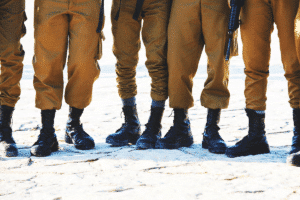
“Back in our day, we got two uniforms, three pairs of underwear, three undershirts, three pairs of socks, a pair of boots, a sweater, a coat, and a duffel bag, and that was everything we needed.” Sound familiar? Times have changed, and so has the financial side of enlisting.
Military service today comes with a range of costs that are worth planning for in advance, whether you are preparing to enlist yourself, supporting a family member who is about to serve, or helping a lone soldier who has come to Israel specifically to join the IDF.
Yes, the army provides uniforms, footwear, and essential equipment. But there is a longer list of recommended and required personal items that soldiers are expected to bring from home, and those add up quickly. This is where smart financial habits make a real difference: plan, budget, compare, and then buy.
A Special Word for Lone Soldiers and Their Supporters
If you know someone who has made aliyah to serve, or who is planning to enlist as a lone soldier, this article is especially relevant for them. Lone soldiers navigate the pre-enlistment process without the day-to-day support of family nearby, which makes financial preparation even more important.
There are dedicated support programs, organizations, and financial benefits specifically for lone soldiers, including housing assistance, extra stipends, and community networks. Encourage anyone in this situation to research and take full advantage of every benefit available to them. Knowledge is money.
And if you are a friend, a community member, or an adoptive family looking to support a lone soldier before enlistment: one of the most thoughtful and practical things you can do is help them shop from their equipment list, or contribute toward specific items they need.
The Equipment Budget: How It Works
Along with the enlistment order, the army provides two lists: the items that will be issued at the induction base, and a list of personal items that soldiers are expected to bring from home.
To help cover these purchases, new soldiers receive a dedicated equipment budget, sometimes referred to as a “stars” budget, in installments: one portion arrives roughly a month before enlistment, a second follows about a month after, and a third is issued at the start of the civilian calendar year.
How to use the budget wisely:
- The budget is designated for two categories: general equipment and sports gear.
- Before spending, review the full equipment list, know exactly how much budget you have, and compare prices across stores and online platforms.
- Make sure any store you plan to use accepts the designated budget. Not all retailers do.
- The budget is limited, so prioritize quality items at the best available prices. Online platforms that cater to soldiers can be a great option, and many allow purchases and delivery even after enlistment, so there is no need to buy everything at once.
A Friendly Reminder About Sales Pressure
Equipment stores near induction centers can be busy and persuasive. Just because a salesperson says that “every combat soldier buys this” or that a certain item is “absolutely essential” does not mean you need it.
The best source of advice is someone already serving in the same unit or track. Ask around before heading to the shop, and you will save both money and bag space.
Enlistment Celebrations: Budget for Them in Advance
Pre-enlistment gatherings and celebrations are a meaningful tradition. If one is being organized for you, set a budget for it ahead of time.
It is also a great opportunity to share a wish list of equipment items with family and friends. That way, the gifts you receive are things you actually need, and your equipment budget stretches further for the items that are harder to receive as presents.
Know Your Benefits from Day One
From the moment of enlistment, soldiers are entitled to a range of benefits worth hundreds or even thousands of shekels. These include discounts, stipends, and welfare support. Make a point of learning what you are entitled to and making sure you actually receive it. Every benefit exists for a reason, and you have earned it.
Start Saving During Service, Not After
Discharge is not the end, it is the beginning of the next chapter. Life after service comes with its own costs: travel, housing, studies, and new adventures. The best time to start preparing for that is now.
The recommendation is to save between a third and a half of your monthly military pay throughout your service. When discharge day arrives, you will have a financial foundation to build your next chapter on, whether that means a trip abroad, tuition fees, or simply starting independent life with a cushion behind you.
Plan. Budget. Compare. Then buy.
The financial habits you build before and during service will serve you long after you take off the uniform. Wishing everyone heading into service a meaningful and fulfilling experience.